Key Takeaways
- Property evaluations rely on clear data and local expertise, not assumptions.
- Renovations and online estimates don’t always reflect true home value—evidence-based factors matter most.
Setting realistic expectations for your home’s value requires sorting fact from fiction. With evolving markets, many homeowners are surprised to learn what actually influences a property’s value nearby versus what they assume. Here’s what you need to know to make informed decisions.
What Is Property Evaluation?
Definition in real estate context
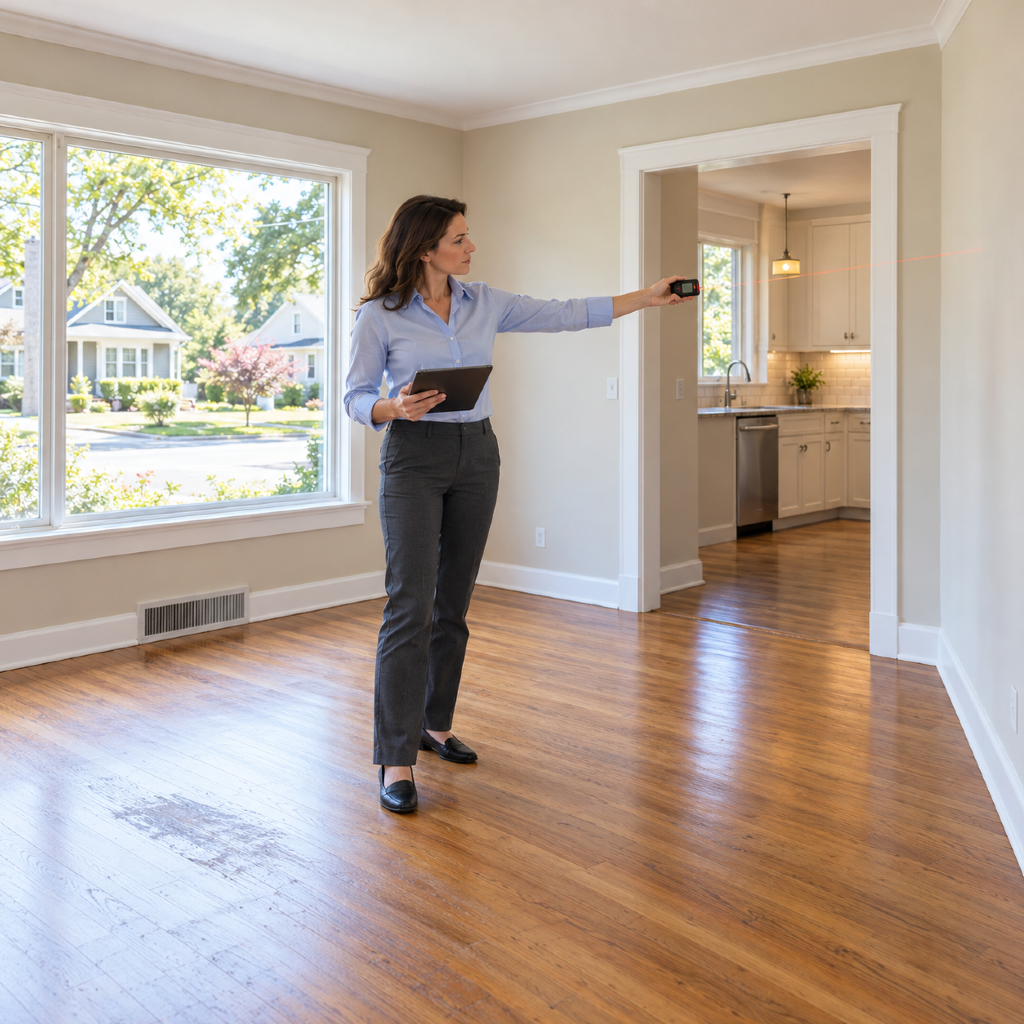
A property evaluation—also known as a home value assessment—is the process of determining what your home is likely worth on the current market. Unlike informal guesses, this process uses specific criteria: recent comparable sales, local market trends, property condition, size, and unique features. The goal is to provide an objective and realistic view of what potential buyers might pay for your home today.
Who conducts home value assessments
Licensed appraisers typically perform property evaluations, though real estate professionals may also provide informal market analyses. Appraisers follow established guidelines and use recognized methods to make their estimates. Online platforms increasingly offer automated valuations, but these may lack the local insight of a human expert. Knowing who performed your assessment helps you gauge the reliability of the value.
How Accurate Are ‘Near Me’ Valuations?
Data sources for local evaluations
When you search for “property evaluation near me,” you’ll likely encounter online tools that aggregate public records, recent sales, tax assessments, and listing data. Local experts go further—they consider micro-neighborhood trends, unique features, and current buyer demand, ensuring a more tailored evaluation.
Limitations of online estimates
While digital estimates are convenient, they have important limitations. Algorithms may overlook major upgrades or recent neighborhood changes. For example, a new school district or road project can quickly change local prices—something online models may miss. Remember: these tools provide a starting point, but not a definitive number.
Myth vs Fact: What Affects Home Value?
Common misconceptions
Many homeowners believe that any update or addition will automatically increase home value. Others think home value depends only on square footage or that the “listed price” reflects true market value. Some also assume a property’s tax appraisal equals its market value. These are common myths that can create confusion and unrealistic expectations.
Evidence-based factors influencing value
In reality, the biggest drivers of home value are:
- Recent sales of comparable homes (“comps”)
- Location and local amenities
- Overall property condition
- Key features, such as energy-efficient upgrades or updated kitchens
- Supply and demand in your local market
Market data and professional assessments use clear evidence, not assumptions or hearsay. A freshly painted room may improve appeal, but only substantial improvements—like upgraded systems or significant renovations—typically move your value noticeably.
Which Factors Matter Most in 2026?
Location and neighborhood trends
Location remains a top driver of home value in 2026. Neighborhoods with low crime rates, strong schools, convenient amenities, and proximity to employers continue to command higher prices. New trends—such as walkability, access to green spaces, and infrastructure developments—are also influencing what buyers are willing to pay.
Micro-market changes matter, too. Even within one city, different neighborhoods can see price shifts based on local projects, demographic trends, or changing zoning laws. Staying aware of these movements helps you interpret your home’s evaluation more accurately.
Condition and key home features
Your home’s condition matters more than ever. Well-maintained properties with updated systems—such as roofing, heating, and electrical—appeal to modern buyers. Features like smart home technology, energy efficiency, and flexible spaces (think: home offices) are highly valued.
Outdated or poorly maintained properties may sell below local averages, even in hot markets. Prioritize maintenance and upgrades that have proven returns, like kitchen and bathroom improvements, rather than cosmetic fixes alone.
Can Renovations Always Raise Value?
When updates help or hurt
Not all renovations yield the same impact. Projects that address outdated systems, add usable space, or significantly improve energy efficiency often increase value. On the other hand, highly personalized renovations—such as uncommon design choices—may actually limit appeal.
Over-improving for your area is a common pitfall. For example, installing luxury finishes in a starter-home neighborhood may not generate the return you expect, since the local buyer pool might not value those upgrades as much.
Projects with uncertain returns
Projects like swimming pools, elaborate landscaping, or extensive additions have uncertain payback. Their effect on value depends heavily on local buyer preferences and climate. If similar nearby homes don’t have these features, adding them may not increase your appraised value. Always research what’s common in your area and consult with a local expert before starting major projects.
What If the Estimate Seems Wrong?
Steps to verify your home value
If your evaluation feels off, start by checking the data used: Are all recent upgrades listed? Are the comparable homes truly similar? Review your property’s official records for errors. Research what homes like yours are actually selling for—not just what they’re listed at.
Next, consider requesting a formal appraisal by a qualified professional. You can also compare multiple online tools, keeping their limitations in mind. Gathering several viewpoints helps you form a more grounded estimate.
Who to consult for clarity
For the clearest picture, consult professional appraisers or local real estate experts familiar with your micro-market. These impartial specialists can review all available information and provide evidence-based insight—not just algorithms or market hype. Their expertise is especially valuable if you’re preparing to sell or making major investment decisions.