Key Takeaways
- Open House Pro helps home sellers manage open house sign-ins and follow-ups digitally.
- Understanding the benefits and limitations will help you choose the best open house management solution for your needs.
Thinking about selling your home? Digital tools like Open House Pro can cut the guesswork and hassle from open house events. In this guide, you’ll get plain-English answers on what it does, how to use it, and what to watch for—so you can decide if it fits your real estate plans.
What Is Open House Pro?
Purpose and basic functionality
Open House Pro is a digital platform that simplifies open house management. Its main function is to let you collect visitor information digitally as guests arrive at your open house, instead of using traditional paper sign-in sheets. The platform typically runs on a tablet or smartphone, providing an efficient, organized way to capture names, contact details, and buyer interests while creating a digital record you can access later.
Who typically uses this tool?
Home sellers and real estate professionals often use Open House Pro during property showings. If you’re selling your home yourself (sometimes called “For Sale By Owner”), this app gives you the organizational structure agents typically use. Even if you’re working with a listing agent, open house hosts increasingly use digital sign-in platforms like Open House Pro to streamline information gathering and follow-up.
Why Consider Open House Pro?
Ways it supports home sellers
Open House Pro offers several benefits to home sellers. Its lead capture system ensures you receive accurate, legible visitor information. The digital process can help you follow up promptly with interested buyers or their agents. Additionally, automated records make it easier to track who visited your home, what feedback they left, and which guests may be interested in making an offer.
Situations where it may help
Open House Pro is especially helpful if you expect a high turnout or want to avoid the paperwork and errors that come with handwritten sign-in sheets. If timely communication with potential buyers matters to you, or you’d like more visibility into who toured your property, this tool offers a clear advantage. It’s also a solid choice if you prefer to keep your selling process organized without hiring additional services or a third-party coordinator.
Top Features Explained Simply
Lead capture tools overview
At its heart, Open House Pro is a digital sign-in app. Visitors enter their contact details—such as name, phone number, and email—directly on your device. You can customize questions to learn about guests’ buying status or feedback, making each open house more informative.
Open house visitor sign-ins
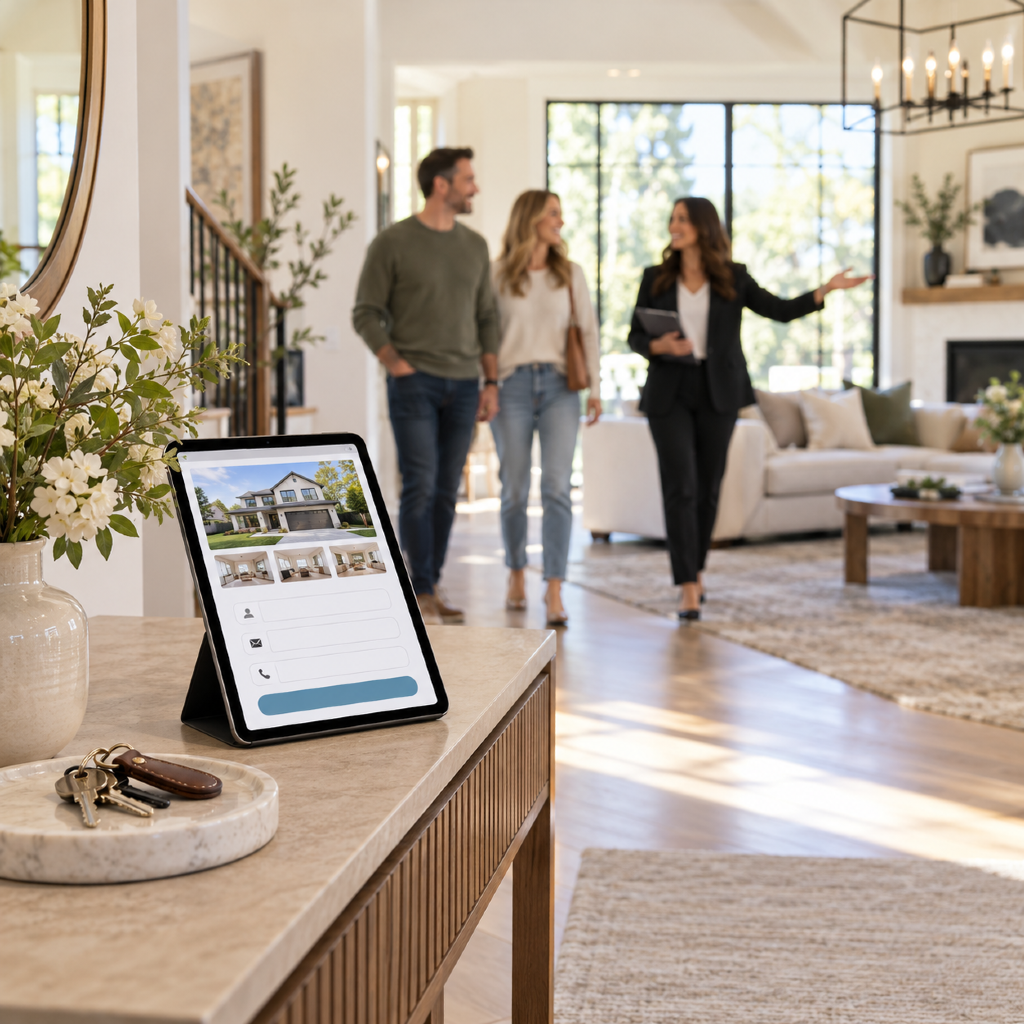
As guests arrive, they’re guided through a quick sign-in process on your provided device (commonly a tablet). This not only looks professional but also greatly reduces the risk of illegible handwriting or lost paper. The tool may also include options to validate email addresses or phone numbers, helping ensure you capture reliable information.
Data management and follow-up
After your event, the app stores all information in one place. The app typically lets you sort, search, and export visitor lists. Some versions allow automated follow-up emails or text messages, keeping your property top of mind for buyers. Effective data management lets you prioritize leads who showed genuine interest and keep a useful record for future sales or conversations with agents.
What Are the Pros and Cons?
Main advantages for home sellers
- Efficiency and organization: Capture guest details quickly and store them digitally to reduce manual work.
- Accurate lead tracking: Digital entries reduce the risk of data loss and make follow-up easier.
- Professional presentation: Using a tablet or app can impress visitors and show you’re serious about the selling process.
- Immediate follow-up: Some versions provide tools for timely automatic responses to each visitor after the open house.
Potential drawbacks or limitations
- Technology requirements: You need a charged tablet or smartphone (plus internet) for the app to work smoothly.
- Learning curve: While designed to be user-friendly, those unfamiliar with digital sign-in apps may need a brief adjustment period.
- Privacy considerations: Collecting and storing guest data requires attention to current privacy guidelines and ethical handling.
- Not a substitute for personal engagement: The tool can manage sign-ins, but it won’t replace the value of one-on-one conversations or follow-up tailored to each visitor’s needs.
How Can Homeowners Use Open House Pro?
Getting started step by step
- Download the app: Download Open House Pro from your device’s app store.
- Create your account: Register with your email and set up your property details in the app.
- Customize sign-in fields: Add, remove, or tailor questions to ensure you’re collecting the most useful information from each visitor.
- Test the setup: Before your open house, run through the sign-in process to make sure it works smoothly.
- Set up on event day: Place your device in a visible and accessible location, such as the entryway, with clear instructions for guests.
Common setup and usage tips
- Charge devices ahead of time: Running out of battery mid-event is a common pitfall—bring a charger just in case.
- Provide simple instructions: A small sign or verbal nudge can help guests complete sign-in without fuss.
- Respect privacy: Remind guests that their contact details are only used for communications related to the sale of your home.
- Review leads promptly: After your event, review your data, prioritize promising contacts, and follow up promptly.
What Alternatives Should Sellers Know?
Other digital open house tools
Open House Pro isn’t the only solution for digital sign-ins. Alternatives include apps like Curb Hero or Spacio, which offer similar visitor management and lead follow-up features. Some tools integrate with broader marketing platforms or real estate listing sites for added reach and convenience.
Traditional sign-in options
If you prefer a low-tech approach, classic paper sign-in sheets still work well for smaller or more informal gatherings. Be mindful that handwritten information can be hard to read or follow up on. Whichever method you choose, accurate, organized visitor records are key to a smooth selling experience.