Key Takeaways
- Curb appeal meaningfully influences first impressions and perceived value, but does not guarantee higher or faster sales.
- Practical, balanced improvements—rather than overhauls or personal tastes—best support a successful 2026 home sale.
Did you know that most buyers form their first impression from a home’s exterior, even before stepping inside? Let’s separate curb appeal fact from fiction as you prepare to sell in 2026, so you can make informed, confident decisions.
What Is Curb Appeal?
Definition in real estate
Curb appeal refers to the attractiveness of a home’s exterior when viewed from the street. In the real estate world, it’s how your house presents itself to potential buyers the moment they arrive—or even when browsing photos online. This includes elements like landscaping, paint color, front doors, windows, walkways, and lighting.
Why buyers notice curb appeal
Buyers notice curb appeal quickly because it sets expectations for the rest of the home. A tidy, well-maintained exterior signals care and pride of ownership, reassuring buyers before they cross the threshold. If the outside looks neglected, buyers may question the state of the interior or anticipate hidden maintenance issues.
Why Does Curb Appeal Matter When Selling?
First impressions and buyer perception
First impressions count. Research consistently shows that buyers form opinions within seconds of arriving at a property. An inviting exterior can create a sense of welcome and comfort, while a neglected one may lead buyers to wonder about potential repairs or costs down the line.
Connection to home listing performance
Homes with good curb appeal tend to perform better in listing photos and in-person showings. This can help attract more attention among competing listings, generate initial interest, and encourage buyers to further explore the property. While curb appeal doesn’t guarantee a sale, it can determine whether buyers are eager or hesitant to see more.
What Are Common Curb Appeal Myths?
Myth 1: Only landscaping counts
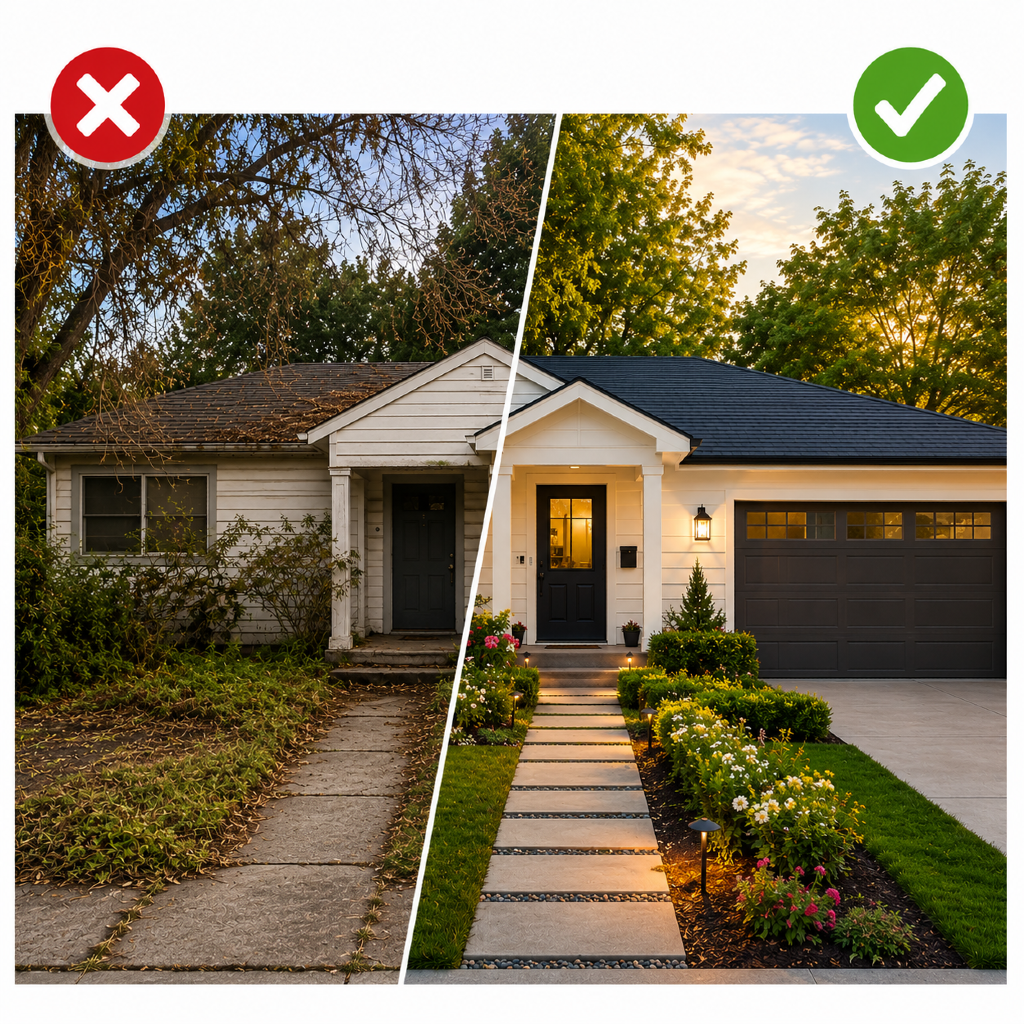
Some believe that curb appeal is just about gardens, grass, or trees. In reality, it includes many elements: driveways, walkways, siding, windows, exterior lighting, the roof’s condition, and even the mailbox. A cohesive, well-maintained look goes far beyond landscaping alone.
Myth 2: Major renovations are required
There’s a misconception that you must undertake large, expensive projects for curb appeal. However, small, cost-effective changes—like new paint on the front door, replacing light fixtures, or trimming shrubs—can make a big difference without requiring major renovations.
Myth 3: Curb appeal has little impact
It’s easy to assume buyers can “look past” a home’s exterior, but research and agent feedback suggest otherwise. Poor curb appeal can turn buyers away before they set foot inside. The exterior sets the emotional tone for the tour and the entire decision process.
What Are the Facts About Curb Appeal?
Minor upgrades vs. major investments
Data shows that even minor upgrades, such as power washing exterior walls, replacing house numbers, or updating porch furniture, can have a positive effect on buyer perception. Major investments—like a brand-new roof or redoing a driveway—should be considered carefully, weighing the likely return against current market values and buyer expectations.
Neutral presentation and market differences
Homes that present a neutral, broadly appealing exterior tend to attract more buyers. What’s considered appealing can vary by region, style, and buyer demographics. It’s important to assess what is standard and desirable in your local market before making any upgrades.
How Much Does Curb Appeal Influence Home Sales?
Research findings and buyer feedback
Multiple studies suggest curb appeal can influence both how quickly a home sells and its perceived value. However, it is one factor among many—alongside pricing, location, and condition. Buyer surveys and real estate professionals often rank curb appeal as a top reason buyers choose to view a property in person.
Limits of curb appeal’s impact
While curb appeal shapes first impressions, it can’t overcome significant issues inside the home or a mismatched price. It helps buyers see the home’s potential, but won’t guarantee a sale or a specific dollar amount. A strong exterior draws buyers in, but details inside matter just as much.
Do Curb Appeal Improvements Always Pay Off?
Return on investment considerations
Not all curb appeal investments offer the same payoff. Lower-cost, high-impact updates tend to offer better returns. Examples include painting, cleaning, adding potted plants, or repairing broken steps. Expensive overhauls rarely recoup their full cost, especially in slower markets.
Risk of over-improving
Over-improving—making exterior changes that outpace the neighborhood or local buyer expectations—can actually work against you. Aim for updates that fit the average standard in your market and complement the home’s overall value. Over-customizing to personal tastes may also narrow the pool of interested buyers.
What Are Common Curb Appeal Mistakes?
Personal taste vs. mass appeal
Choosing bold colors, unique features, or highly personalized yard art may make your home stand out, but not always in a positive way. It’s best to opt for classic, neutral choices that appeal to the widest possible audience.
Neglecting repairs or maintenance
Buyers often notice cracked sidewalks, peeling paint, broken gutters, burnt-out lights, or damaged mailboxes. These small signs of neglect can raise red flags about overall upkeep and deter buyers, even if the issues are minor.
Can Curb Appeal Help in Any Market?
Hot markets versus slow markets
In competitive (‘hot’) markets, curb appeal can create even more buyer competition and help your home stand out among many options. In slower markets, strong curb appeal becomes essential to capturing limited buyer interest and can nudge buyers toward making an offer.
How local trends influence importance
Local trends, architectural styles, and community standards all play a role. What’s appealing in one area may not be desirable elsewhere. Staying in tune with your neighborhood and agent feedback can help you determine which upgrades make sense.
How Should You Approach Curb Appeal in 2026?
Practical steps before listing
Start with a walk around your property, noting anything that looks worn, outdated, or could use a fresh touch. Address basic repairs, declutter porches or yards, and consider small enhancements like adding welcome mats or painting trim. Make sure exterior lighting works for evening showings and that landscaping looks tidy.
Balancing effort with potential benefit
Focus on affordable improvements that provide noticeable impact. Avoid over-investing in big projects unless your agent or market research shows strong evidence it will add value. Remember that a clean, well-maintained appearance is generally more important than showy upgrades.