Key Takeaways
- Not all home upgrades add significant value or attract buyers; choose improvements based on real market needs.
- Effective upgrades are prioritized, cost-conscious, and matched to buyer expectations—not always expensive or extensive.
Preparing to sell your home often brings up questions—and doubts—about how to invest in upgrades wisely. Before sinking money into renovations, it’s vital to distinguish between popular myths and actionable facts. Let’s walk through the questions homeowners are asking most, with insights to ensure your choices are both practical and strategic for 2026.
What Home Upgrades Matter Most?
Popular upgrades buyers look for
Among a wide range of possible home improvements, buyers consistently value updates that improve daily living, functionality, and first impressions. Kitchens and bathrooms top the list, especially where modern fixtures or energy-efficient appliances are involved. Neutral paint, refreshed flooring, and good lighting are also attention-grabbers. Smart home features, like thermostats and security systems, have started to trend higher as technology becomes integral to daily life. Curb appeal upgrades—such as a tidy lawn, fresh mulch, and an inviting front door—can also make a strong statement the moment a buyer arrives.
How upgrades impact perceived value
The right upgrades can impact not just a home’s actual market worth, but also how buyers emotionally engage with the space. Even affordable changes, like deep cleaning, minor repairs, and decluttering, inevitably increase perceived value. When buyers feel a home is move-in ready, free of obvious work or outdated elements, they’re more likely to pay a competitive price. Remember, often it’s about the feeling of maintenance and care as much as the specific features themselves.
Do Expensive Renovations Always Pay Off?
Cost vs. return considerations
You might assume major remodels automatically translate to higher selling prices, but the reality is more nuanced. Many costly upgrades—such as custom kitchens, high-end flooring, or specialty additions—do not yield a dollar-for-dollar return when the home sells. Factors like local market trends, neighborhood norms, and buyer preferences play a big role. Sometimes, modest investments offer better returns than lavish projects, especially if the alternatives address functional shortcomings rather than luxury enhancements.
Less costly alternatives to boost appeal
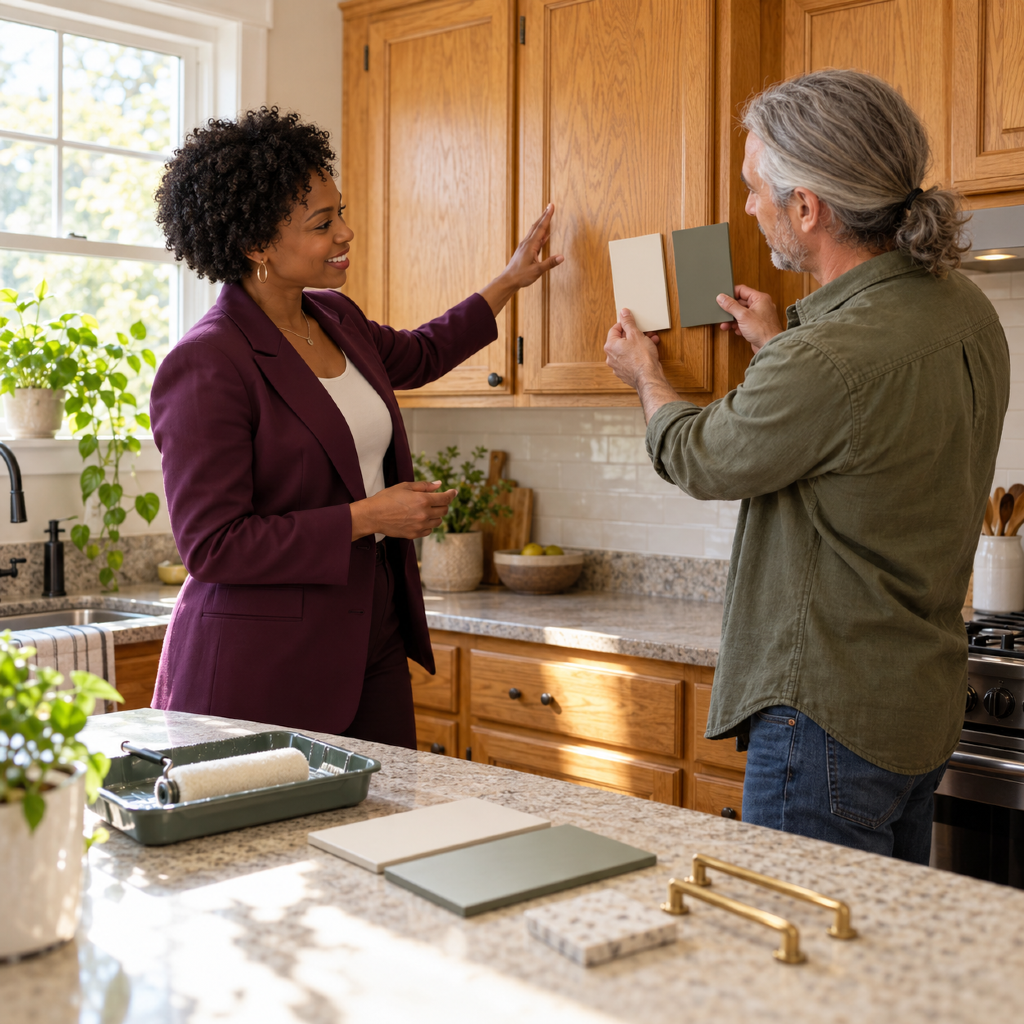
If you’re mindful of your budget, focus on impactful, visible, and cost-effective upgrades. Simple tasks like repainting, recaulking, replacing cabinet hardware, or adding updated lighting fixtures can revitalize a room without breaking the bank. For exterior appeal, power washing the home, tending to landscaping, or repainting the front door provides strong visual impact at minimal cost. These efforts can give your listing a fresh, inviting look that resonates with buyers.
Which Myths About Selling Are Common?
Beliefs about required upgrades
A persistent myth is that every part of your home has to be upgraded before listing. In truth, overhauling every room isn’t necessary and may be a poor return on investment. Many buyers prefer making cosmetic changes themselves to reflect personal taste. Another misconception is that every dated feature will drive away buyers, when often, a well-maintained property with a few older finishes can still command strong interest if priced right and presented well.
Biggest misconceptions sellers have
Sellers sometimes expect that flashy, high-end finishes guarantee a higher price, when what truly matters is overall condition and market suitability. Others believe that upgrades must match trends found in home design shows, but what works in one market may not resonate in another. It’s also common to think major renovations will save a sale, when sometimes the most effective steps are the practical—addressing deferred maintenance and presenting a clean, uncluttered space.
How Can I Maximize My Budget?
Prioritizing upgrades for your market
Start by identifying improvements most valued in your local area. Review open houses, recent sales, and speak with local experts to learn what gets attention—and what’s considered standard. Prioritize high-traffic spaces like kitchens and bathrooms; limited budgets can often stretch farther by focusing on selective updates (like replacing faucets, resurfacing cabinets, or updating light fixtures) versus complete overhauls. Balance ambition with realism—small touches can signal care and readiness to buyers.
DIY or professional: what to consider
Tackling minor repairs or painting projects yourself can save money, but be honest about your skills and available time. Poorly executed DIY work may cost more to fix later or detract from buyer appeal. For tasks requiring specialized skills—plumbing, electrical, or structural fixes—it’s wise to engage licensed professionals. If your schedule is tight or the property needs significant improvements, hiring out the work can help ensure jobs are finished safely and on time, protecting your investment.
Are There Risks in Over-Improving?
When upgrades may not make sense
There’s a tipping point where upgrades stop adding value and may even hurt your chances of recouping costs. If your home’s improvements far outpace what’s common for your neighborhood, buyers may be hesitant to pay a premium. Unique or highly personalized upgrades (such as custom murals, built-in tech that’s difficult to remove, or luxury pools in entry-level markets) can actually limit buyer interest, reducing your home’s marketability.
Balancing improvements with buyer expectations
To avoid over-improving, evaluate who your most likely buyers will be and what they expect for homes in your area and price range. Pay attention to the features found in comparable homes that actually sell—not just those listed. Strive for your property to stand out for quality and care, not for rare or extravagant details that may not appeal to the general market.
What Do Real Estate Agents Really Advise?
Common recommendations from professionals
Agents generally advise focusing on universal appeal—think cleanliness, uncluttered spaces, and working fixtures. Quick wins such as fresh paint, repaired walls, or replaced hardware are commonly recommended. Addressing visible repairs and deferred maintenance can prevent negotiation delays and reassure buyers they won’t be surprised by hidden issues.
Frequent upgrades agents do not suggest
Real estate professionals often caution against large, custom projects that don’t align with the market. Sound advice is to skip major expansions, luxury appliances, or highly specific design choices unless your home’s price point demands it. Completing a long list of small repairs—including fixing leaky faucets, squeaky doors, and any safety concerns—almost always outweighs non-essential major renovations.
FAQ: Selling and Home Upgrades in 2026
Current year trends and guidance
For 2026, buyers remain focused on energy-efficient features, low-maintenance materials, and flexible living spaces for remote work or hobbies. Resale data suggests that homes presented in good repair, with updated kitchens or baths and strong curb appeal, attract more interest—without requiring lavish investments.
Answers to common upgrade questions
If you’re asking where to start, prioritize repairs and updates that boost first impressions and functional value. You don’t need to modernize every corner—focus on what matters most for your price range and location. Staying within budget and seeking advice from neutral resources can help you make the smartest decisions for your sale.