Key Takeaways
-
The right lighting inside your home influences buyers’ emotions and perceptions immediately, often within the first few minutes of walking in.
-
Proper lighting strategies can highlight strengths, minimize flaws, and help create a welcoming environment that leads to stronger offers.
The Emotional Power of Lighting
When a buyer enters your home, their first impressions are shaped not only by what they see but also by how they feel. Lighting plays a critical role in creating that emotional response. Bright, warm, and balanced lighting tends to evoke feelings of comfort, safety, and openness. On the other hand, dim, uneven, or harsh lighting can make spaces feel smaller, colder, or less appealing. In 2025, homebuyers expect more than just functional illumination; they look for lighting that enhances the character of a home.
Why Lighting Matters More Than You Think
Lighting does not just reveal a room—it sets the entire mood. Potential buyers subconsciously connect light with cleanliness, warmth, and energy. A room that is poorly lit may seem neglected, while a well-lit one feels carefully maintained. This subtle influence can significantly impact how buyers perceive the value of your property.
Key aspects include:
-
Natural light: Buyers often prioritize homes with ample natural light, associating it with health, well-being, and energy efficiency.
-
Layered lighting: Combining ambient, task, and accent lighting creates dimension and visual interest.
-
Color temperature: Warm tones create inviting spaces, while cool tones may highlight modern, clean designs.
Enhancing Natural Light in Your Home
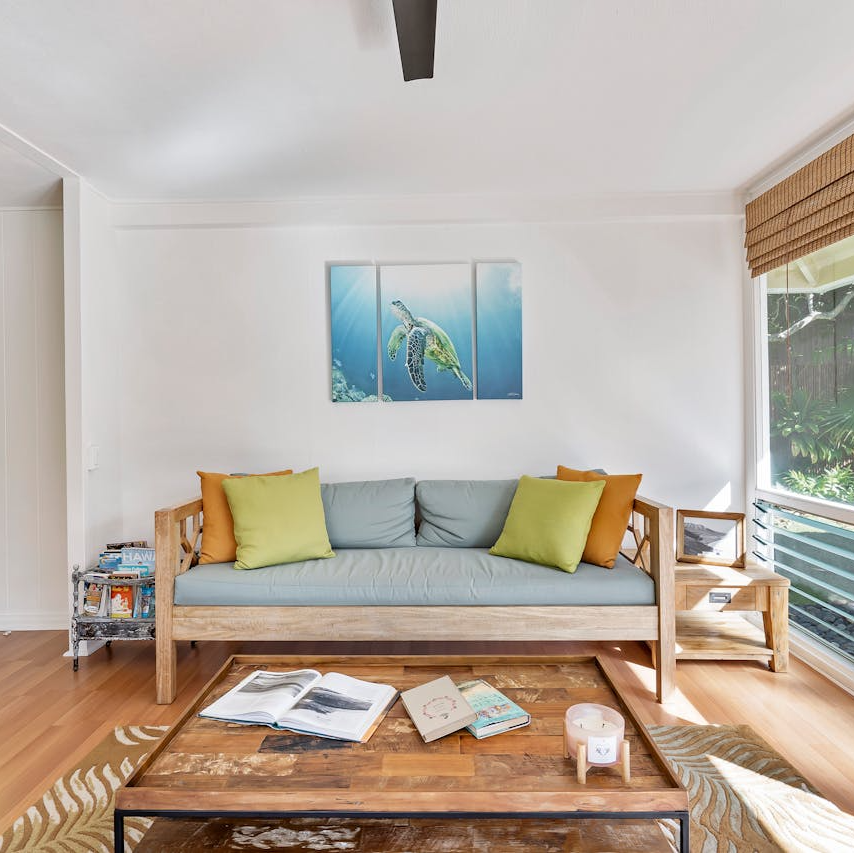
In today’s market, buyers consistently favor homes that embrace natural daylight. To improve natural light:
-
Use light-colored paint on walls and ceilings to reflect sunlight.
-
Keep windows clean and unobstructed for maximum brightness.
-
Use sheer curtains instead of heavy drapes.
-
Strategically place mirrors to bounce light across rooms.
Even in rooms with fewer windows, thoughtful adjustments can help make spaces feel more open and brighter, adding instant appeal.
Creating Ambiance With Artificial Lighting
Artificial lighting gives you control over how your home is experienced at different times of the day. To create an inviting atmosphere:
-
Living rooms: Use layered lighting with a mix of overhead fixtures and lamps to balance brightness and coziness.
-
Kitchens: Install under-cabinet lighting and warm overhead lighting to showcase functionality and cleanliness.
-
Bedrooms: Choose softer lights with dimming options for relaxation.
-
Bathrooms: Bright, even lighting helps highlight cleanliness and makes spaces feel larger.
When buyers tour your home, each room should feel balanced—neither too bright nor too dim.
Common Lighting Mistakes That Push Buyers Away
-
Relying on a single light source. Overhead lights alone often create harsh shadows that flatten the appearance of a room.
-
Using outdated fixtures. Old, worn-out lighting fixtures can make your home feel neglected or dated.
-
Ignoring exterior lighting. Poor lighting around entryways, walkways, or yards can create a sense of insecurity.
-
Overusing harsh white bulbs. Excessively cool lighting may feel clinical and uninviting.
-
Neglecting burnt-out bulbs. Even small oversights can signal lack of care and attention to detail.
The Cost of Lighting Improvements
Updating your lighting does not have to mean a full-scale renovation. In many cases, simple adjustments provide immediate benefits:
-
Replacing outdated fixtures with modern styles.
-
Switching to LED bulbs, which offer consistent brightness and energy efficiency.
-
Adding dimmers for flexibility.
-
Repositioning lamps and accent lights to highlight architectural features.
Most upgrades can be completed within a few days, making them quick wins before listing your property.
How Lighting Influences Buyer Psychology
Lighting has a direct effect on the brain’s interpretation of space and mood:
-
Brightness: Well-lit spaces appear larger and more welcoming.
-
Warmth: Soft tones create feelings of comfort and belonging.
-
Highlighting: Accent lighting can draw attention to features like fireplaces, art, or architectural details.
-
Contrast: Balanced light levels prevent monotony, adding depth and character.
This psychological impact means buyers often form emotional connections faster in homes with thoughtful lighting setups.
Strategic Timing for Showing Your Home
The time of day when buyers view your property influences how light is perceived. Midday showings maximize natural light, while evening showings depend more on artificial lighting. Preparing both scenarios ensures consistency in how buyers experience your home.
Tips for timing:
-
Schedule daytime showings for homes with ample windows.
-
Ensure all artificial lights are functioning properly for evening tours.
-
Use dimmers to adjust mood based on weather or time of day.
Step-by-Step Plan to Improve Lighting Before Selling
-
Walk through your home during different times of the day to identify dark spots or uneven lighting.
-
Replace burnt-out bulbs and update older fixtures.
-
Add layered lighting where necessary—lamps, sconces, or under-cabinet lights.
-
Test different bulb temperatures to match the mood of each room.
-
Clean windows and reflective surfaces to maximize natural brightness.
Taking 1–2 weeks to implement these changes can significantly transform how your home is presented.
Professional Touch vs. DIY Adjustments
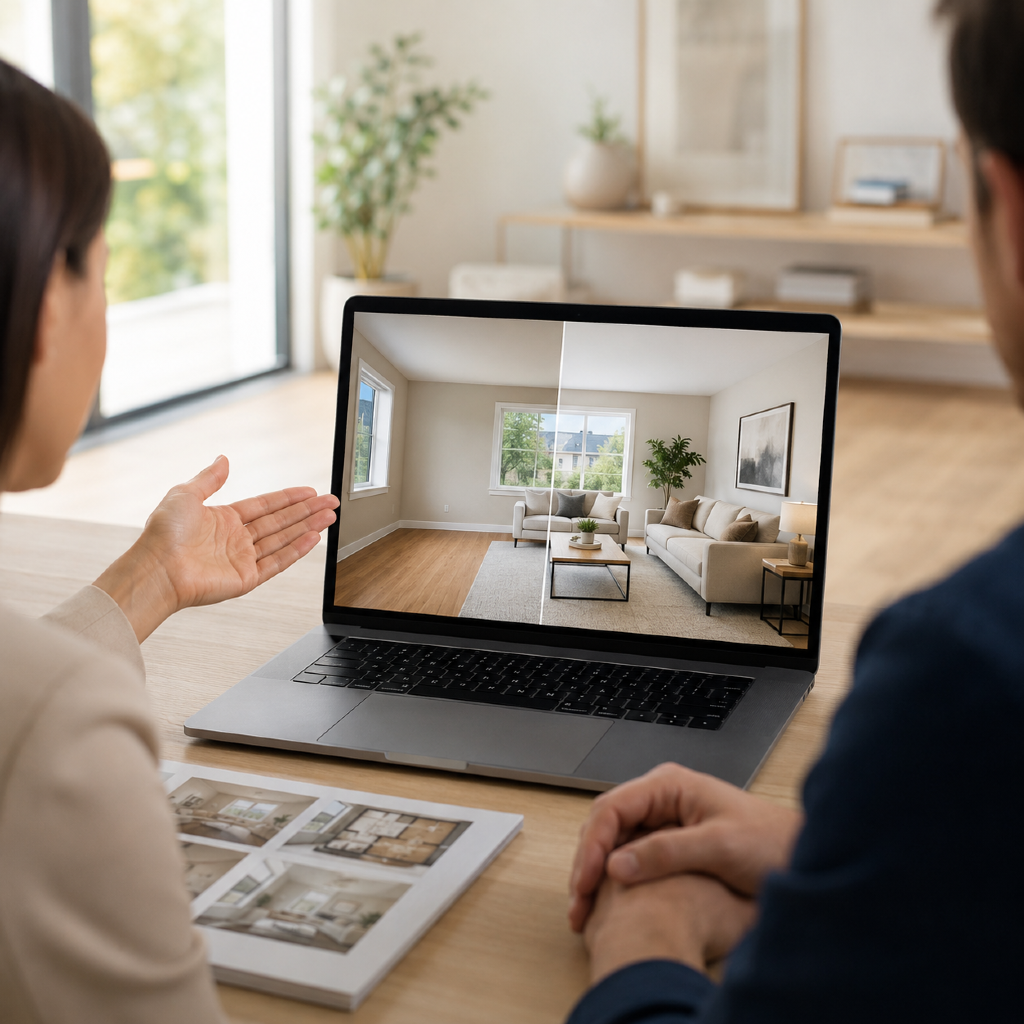
You may wonder whether professional staging is necessary. While many lighting improvements are simple enough to do on your own, a licensed agent can connect you with staging professionals who understand buyer psychology. In some cases, investing in expert staging for lighting design may shorten the selling timeline and increase your final sale price.
The Lasting Impression Buyers Take Away
When buyers leave your home, they often carry an emotional imprint of the experience. If lighting made them feel welcomed, calm, and impressed, they are far more likely to place an offer. This is why sellers in 2025 cannot afford to overlook lighting as part of their selling strategy.
Light as Your Silent Selling Partner
Properly designed lighting is not just decoration; it is a silent influence that supports your selling goals. By using it to guide emotions, you can shape the way buyers perceive and remember your home. Do not underestimate how quickly light transforms mood and decision-making.
Get in touch with a licensed agent listed on this website for advice on how to use lighting effectively to prepare your home for a successful sale.