Key Takeaways
- Decluttering and careful preparation are essential for a successful open house.
- Avoid common pitfalls by following a structured checklist and keeping the space welcoming and neutral.
Preparing your home for an open house is a critical part of selling. Small details—from decluttering to quick repairs—can significantly shape how buyers perceive your property. Use this guide for clear, actionable steps to help your open house succeed and reduce stress.
What Is an Open House?
Purpose in the selling process
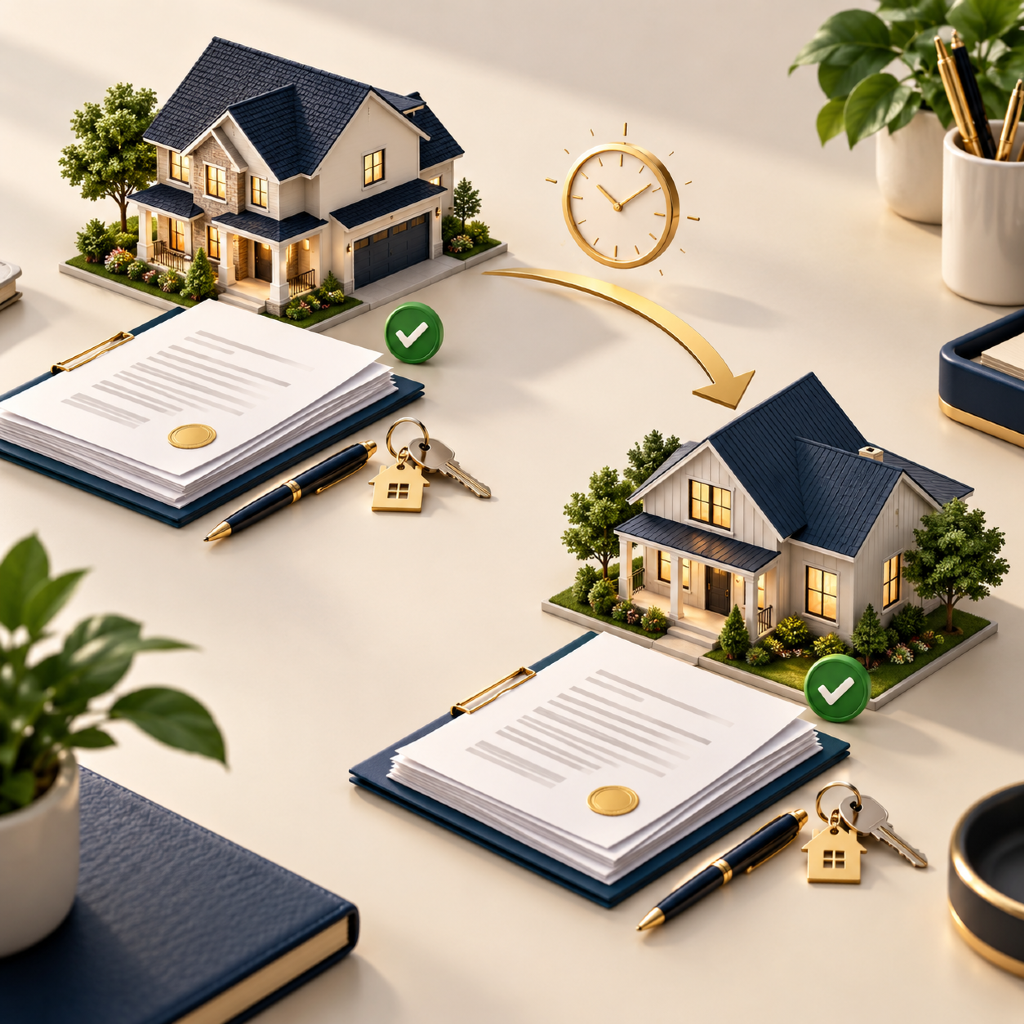
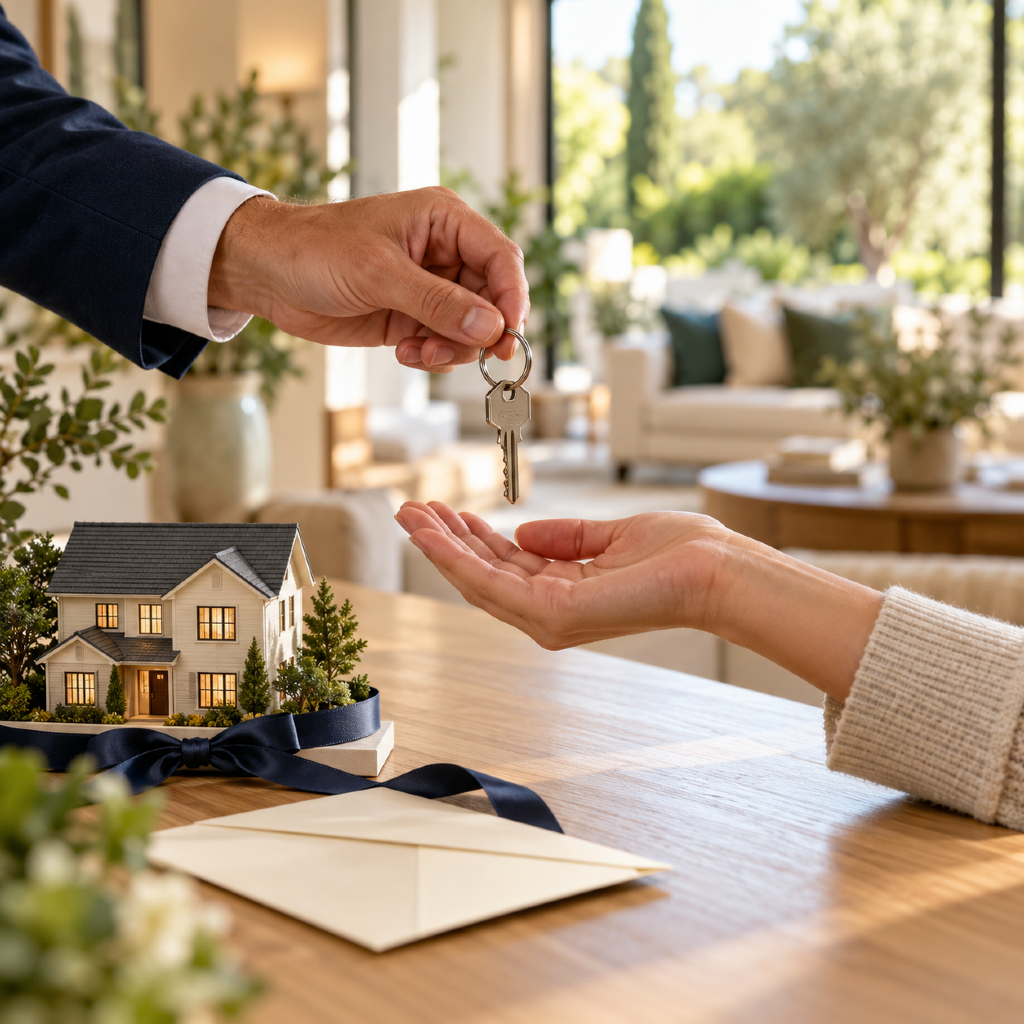
An open house is a scheduled period when potential buyers can tour your home without an appointment. It gives buyers a chance to experience your property firsthand, envision themselves living there, and ask questions in a relaxed setting. For you as the seller, it’s an effective way to show your home to multiple interested parties at once, increasing visibility and shortening the decision timeline.
How open houses attract buyers
Open houses serve as an open invitation, drawing both serious buyers and those in the early stages of searching. The informal, no-pressure atmosphere lets attendees explore your home at their own pace, compare it with others on the market, and become emotionally invested. This accessibility can generate buzz and encourage interested buyers to move quickly if they sense competition.
Why Declutter Before an Open House?
Impact on buyer impressions
Clutter can dramatically affect a buyer’s first impression. Too many items, overcrowded surfaces, or chaotic closets make spaces feel smaller and distract from your home’s best features. A tidy, organized environment helps buyers see the property’s potential, making it easier for them to imagine themselves—and their belongings—fitting comfortably in the space.
Decluttering versus staging
Decluttering removes excess items and personal effects, while staging takes the next step: arranging furnishings and décor to highlight your home’s strengths. While both matter, decluttering is the foundation of a successful open house. You want each area to feel open and inviting, free of unnecessary distractions. Staging builds on this by using neutral tones and simple arrangements to create a polished, move-in-ready impression.
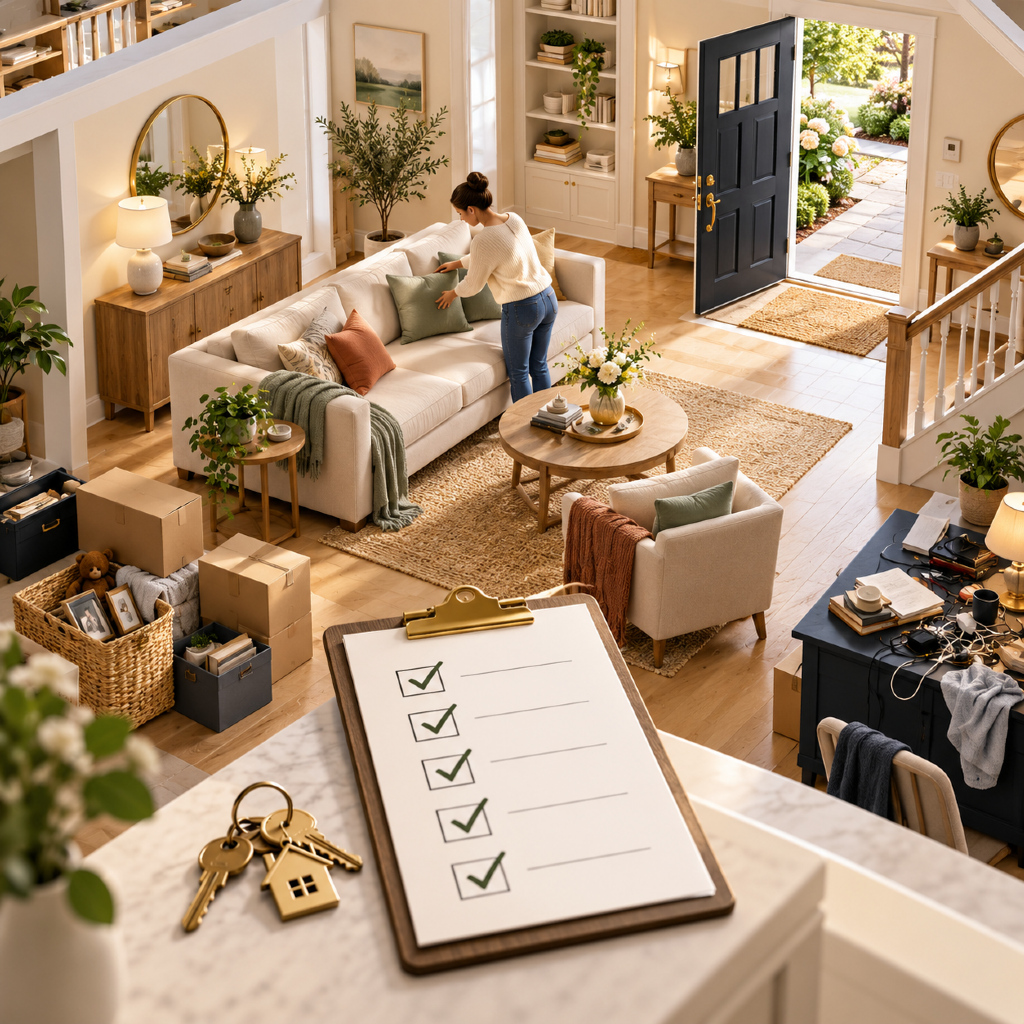
Step-by-Step Pre-Open House Checklist
What you’ll need
Before you start prepping, gather cleaning supplies, storage boxes, basic repair tools (like a screwdriver, light bulbs, and touch-up paint), and a notepad to track tasks. Having these on hand streamlines the process and helps you stay organized.
Step 1: Deep cleaning rooms
Begin by cleaning every room thoroughly. Pay extra attention to kitchens and bathrooms, as buyers closely scrutinize these areas. Dust surfaces, wipe down cabinets and baseboards, wash windows, and ensure carpets or flooring are spotless. Don’t forget often-missed spots, like light switches, door handles, and vents.
Step 2: Removing personal items
Remove family photos, memorabilia, and items that reflect personal hobbies or beliefs. Pack away mail, bills, and anything with your name or address. This helps buyers focus on the house itself and start imagining how their own lives might fit in the space.
Step 3: Enhancing curb appeal
Your home’s first impression starts outside. Mow the lawn, rake leaves, trim hedges, and weed flower beds. Clean walkways and the front porch, touch up paint if needed, and consider adding a simple welcome mat or potted plants for an extra inviting touch. Make sure house numbers are clearly visible so guests can find you.
Step 4: Addressing quick repairs
Walk through your home as if you were a buyer, noting any obvious flaws. Tighten loose hardware, replace broken bulbs, fix leaky faucets, and patch scuffs or holes in walls. Minor repairs can add up, so tackle as many small issues as possible to reassure buyers that the home has been well cared for.
Step 5: Creating a welcoming atmosphere
On open house day, open curtains and blinds to bring in natural light. Set a comfortable temperature, turn on soft background music if appropriate, and ensure each room feels fresh and airy. Neutral-smelling air (no strong fragrances) is key—consider baking a batch of cookies or brewing fresh coffee beforehand if you want a subtle, homey touch.
What Should You Avoid During Preparation?
Common decluttering mistakes
Packing away too much or stashing items in closets or garages can backfire—buyers will look everywhere. Make sure storage spaces are tidy and not overstuffed. Avoid hiding clutter under beds or piling boxes in corners; true decluttering should enhance every space.
Over-personalizing the space
While your unique style may suit your tastes, over-personalized décor can distract or alienate buyers. Tone down bold colors, quirky art, or items with strong personal sentiment. Aim for a balance: a home that’s inviting and warm, but not so personalized that buyers struggle to look beyond your belongings.
Neglecting repairs or odors
Unaddressed minor repairs—or lingering pet or cooking odors—can create red flags for buyers. These signals can suggest deferred maintenance or larger underlying problems. Always ensure the home is clean and smells fresh before opening the doors.
How Can You Reduce Open House Stress?
Time-saving organizational tips
Start preparing early, working room by room to avoid a last-minute rush. Create a checklist and schedule tasks over several days or weeks. Enlist family help or delegate where possible. Staying organized keeps you on track and reduces overwhelm.
Managing expectations and emotions
Acknowledge that selling your home is emotional. Remind yourself that buyers will have their own visions for the home. Letting go of personal attachment to the space, even temporarily, can make the process easier. Celebrate small milestones—like finishing a deep clean or seeing a tidy room—along the way.
FAQ: Preparing for Open Houses
How far in advance should you prepare?
Ideally, start preparing two to three weeks before your open house date. This gives you time to declutter, deep clean, complete repairs, and stage the space without unnecessary stress.
Should pets be present?
It’s best to remove pets and their belongings (like bowls, beds, or litter boxes) during showings. This reduces distractions and potential allergy issues and helps keep the environment fresh for guests.
Who provides feedback after the event?
You’ll typically receive feedback from your real estate professional or the person facilitating the open house. They gather comments from visitors, highlighting strengths and areas needing attention, so you can adjust your approach as needed.