
Key Takeaways
- Pricing, condition, and broad marketing have a bigger impact on selling speed than agent tactics alone.
- Market timing plays a role, but homeowners’ decisions and preparation often make the biggest difference.
Getting your home sold quickly is a clear goal for many homeowners, but what actually speeds up a sale can be confusing. With competing advice and persistent myths, knowing what truly makes a difference puts you in control. Here’s a closer look at the facts behind common assumptions and how you can shape your selling timeline.
What Does ‘Sell Fast’ Really Mean?
Definition in Today’s Real Estate Market
“Selling fast” often sounds like a universal promise, but its true definition varies based on market conditions and local trends. In today’s real estate market, it typically refers to accepting a purchase agreement soon after listing, rather than experiencing a long, uncertain wait. A fast sale could mean a home goes under contract in days or weeks—significantly faster than months of showings.
Typical Timelines for Home Sales
The average home sale timeline in the U.S. can shift depending on location, price range, and overall demand. In balanced markets, homes may spend 30–60 days listed before accepting an offer. In competitive or “hot” markets, properties could receive offers within days. However, periods of slower demand, higher interest rates, or unique property features can extend this timeline further, sometimes to several months. Understanding these benchmarks helps set realistic expectations and measure outcomes.
How Do Agents Influence Sale Speed?
Role of a Listing Agent
A listing agent’s primary role is to help market your property, advise on pricing, coordinate buyer showings, and negotiate offers. Skilled agents offer guidance on preparing your home for sale, present professional marketing materials, and use their networks to attract attention quickly. Their effectiveness can help position your property competitively and maximize exposure.
Factors Agents Cannot Control
Despite valuable experience, agents cannot override market realities. Factors like local demand, economic shifts, neighborhood trends, or property constraints remain outside any agent’s control. Agents also cannot dictate buyer behavior or guarantee offers within a fixed timeline. Awareness of these boundaries helps maintain realistic expectations throughout the process.
Common Myths About Selling Quickly
Myth: Pricing High Sells Faster
It’s a common misconception that “trying for more” will create greater interest and a faster sale. In reality, homes priced above market value often linger on the market, requiring reductions and re-listing. Strategic pricing aligned with comparable sales data typically attracts more qualified buyers—which increases the chance of a timely offer.
Myth: Open Houses Guarantee Offers
Many believe that open houses will immediately generate strong purchase offers. While open houses provide exposure and can be useful for marketing, research shows only a small percentage of homes actually sell directly through these events. Serious buyers often schedule private showings, and successful sales are driven by broad, multi-channel marketing—not one-time events.
What Really Speeds Up a Home Sale?
Pricing Strategies That Matter
Homes that are priced in line with local market value tend to sell more efficiently. Reviewing comparable properties (often called “comps”), considering recent sales data, and staying responsive to shifting trends are essential. Adjusting your price to match current demand usually results in shorter listing periods and stronger buyer interest.
Importance of Home Condition
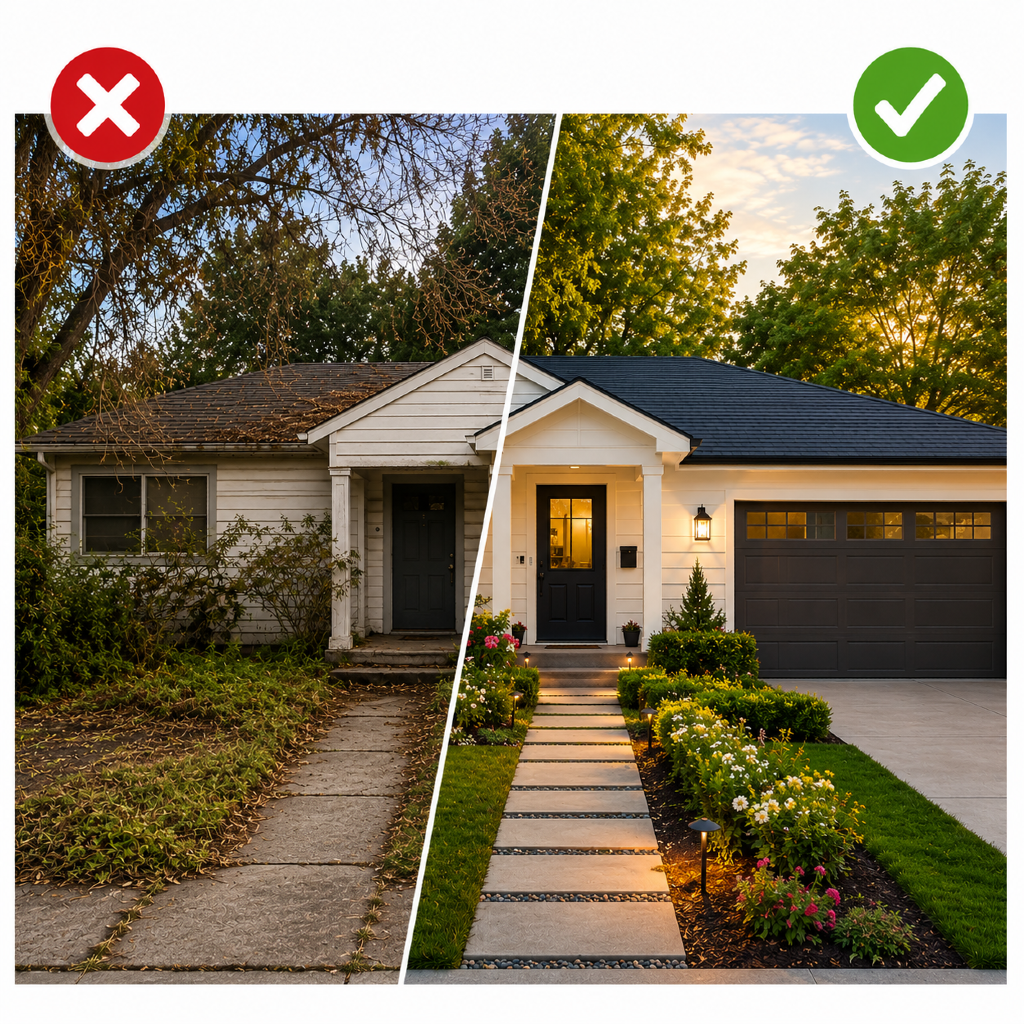
First impressions matter. Homes that are clean, decluttered, well-maintained, and staged for appeal attract more attention. Minor repairs, fresh paint, and handling deferred maintenance can make your property stand out, generating faster offers. Homes in “move-in ready” condition often sell more quickly because buyers can easily picture themselves living there.
Marketing Approaches That Work
Multi-channel marketing—combining professional photos, detailed online listings, social media exposure, and network outreach—broadens your reach. The more buyers see your home, the greater the opportunity for competition and faster sales. Targeted digital advertising and high-quality visuals ensure your home gets noticed for the right reasons.
Is Timing Everything When Selling?
Market Seasonality Impact
Real estate activity fluctuates throughout the year. Traditionally, spring and early summer show stronger buyer demand in many locations, largely due to families planning moves before the next school year. However, there are regional exceptions, and some homes list and sell rapidly in less traditional months depending on local trends.
Is There a ‘Best Month’ to List?
There’s no universally perfect month to sell, but long-term data consistently points to certain periods when homes typically move faster. In many areas, listing in late spring or early summer increases the chances of a quicker sale. Still, if your property is move-in ready, competitively priced, and well-marketed, you may achieve a fast sale outside of these seasonal windows. Ultimately, the “best time” depends on your circumstances and local market conditions.
Myths vs. Facts: Quick Sale Approaches
Agent Myths vs. Industry Data
Industry data reveals that no single tactic—like open houses or listing with a particular type of agent—alone guarantees a fast sale. Rather, thorough preparation, correct pricing, and broad exposure drive the most consistent results. Myths about shortcuts can distract from well-proven strategies. Agents can provide valuable support, but buyers and broader market dynamics decide how quickly a home sells.
What Homeowners Can Actually Control
As a homeowner, you cannot control market forces, but you can influence how your property is presented and perceived. Focusing on curb appeal, flexible showing schedules, quick responses to buyer questions, and a willingness to adjust pricing can all support a faster sale. Partnering with experienced professionals for advice and preparation helps, but your active participation is a key factor in achieving results.