Key Takeaways
- Relying solely on online agent reviews can miss key signals—personal fit and local expertise matter just as much.
- For real confidence, combine online research with direct questions and a range of recommendations when evaluating agents.
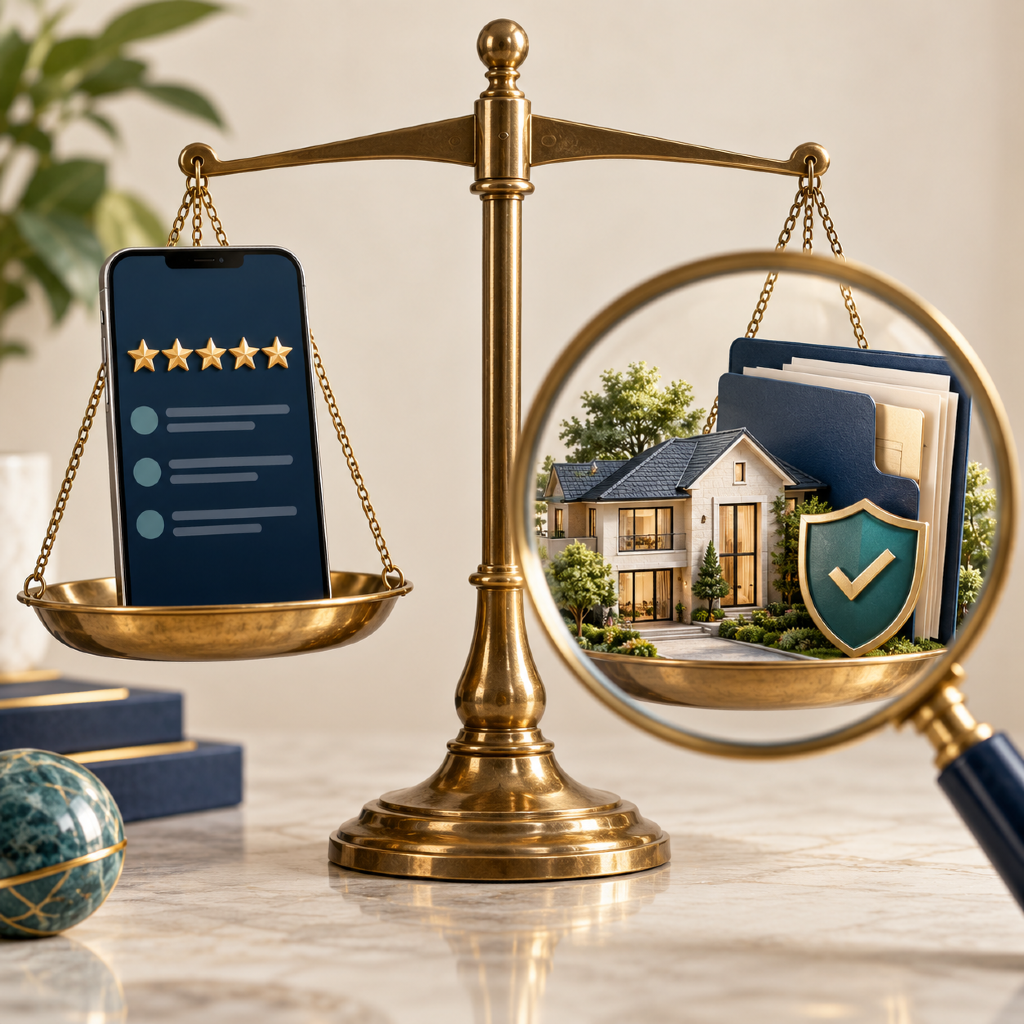
When preparing to sell your home, it’s natural to turn to online agent reviews for advice. But do top ratings always mean an agent is trustworthy? Understanding what reviews can—and can’t—tell you is vital for making confident, informed decisions during your home sale.
What Are Online Reviews for Agents?
Common platforms for agent reviews
You’ll find agent reviews on many consumer-focused websites. Sites like Zillow, Realtor.com, Google, and other real estate directories often feature client feedback. Social media platforms like Facebook also host agent ratings and testimonials. These platforms have become standard tools for homeowners researching potential agents, combining convenience and real-time insights.
What reviews typically cover
Most agent reviews focus on a few core areas: professionalism, responsiveness, negotiation skills, local knowledge, and overall experience. Clients may highlight open communication, effective marketing tactics, and their level of satisfaction with the transaction outcome. While some feedback is detailed, many reviews are brief and focus on the customer’s emotional impression rather than technical expertise or process adherence.
Why Do Reviews Matter in Real Estate?
Impact on seller confidence
Reading about others’ positive outcomes can reassure you that an agent is capable. Especially when you’re facing an unfamiliar process, seeing many happy clients can boost your confidence to take the next step. Reviews can make the process feel less risky and help you narrow your agent shortlist.
Influence on agent selection process
For many homeowners, online reviews are a first filter. You might exclude agents with few or negative reviews, or focus attention on those with consistent five-star feedback. In today’s digital marketplace, reviews often influence which agents receive inquiries or interview invitations. However, relying on them alone may not capture every facet of an agent’s abilities or your unique needs.
Do Top-Rated Agents Always Offer Better Service?
Factors driving high review scores
It’s common to assume that agents with the best reviews deliver the finest service. High scores often reflect strong client relationships, attention to detail, or exceptional results. Some agents proactively request feedback, ensuring satisfied clients share their experiences visibly.
Limitations of review-based trust
However, not all positive reviews mean the same thing. Some represent quick transactions or particularly motivated buyers and sellers—circumstances that may not mirror your own. Moreover, a high number of five-star ratings may reflect an agent’s skill at soliciting reviews rather than their actual expertise. Reviews rarely show an agent’s compliance with regulations, ability to handle complex situations, or fit with your personality.
What Are The Risks of Relying Only on Reviews?
Potential bias and fake reviews
Online reviews help, but they’re not foolproof. Some are influenced by personal relationships or reciprocal arrangements, where friends or colleagues write glowing feedback. Unfortunately, fake reviews—both positive and negative—do occur, although reputable platforms have processes to help identify and remove them. Relying exclusively on reviews exposes you to these distortions.
Missing out on personal fit
An agent with top reviews might not align with your preferences, communication style, or specific goals. Relying solely on star ratings could mean missing candidates who would work exceptionally well with homeowners like you but don’t actively gather online reviews. A personal meeting can reveal qualities and compatibility that reviews cannot.
How Can Homeowners Evaluate Agent Trustworthiness?
Questions to ask potential agents
Moving beyond the screen, thoughtful questions help you gauge an agent’s transparency, professionalism, and local expertise. Ask about:
- Recent experience in your neighborhood or price range
- Typical communication frequency and preferred methods
- Process for handling unexpected challenges or market shifts
- Evidence of ongoing education or industry certifications
Their answers reveal both their approach and dedication to client service.
Other ways to research agents
In addition to reading reviews and interviewing agents personally, consider:
- Consulting your network for word-of-mouth recommendations
- Checking licensing status and complaint history with your state’s regulatory body
- Reviewing their marketing materials and property listings for consistency and quality
- Observing their participation in community or professional groups
Blending online research with real-world inquiries deepens your understanding and helps avoid surprises during your sale.
When Should You Look Beyond Online Reviews?
Importance of local expertise
Local experience can make a significant difference in pricing strategy, negotiations, and knowledge of important disclosures or regulations. An agent who knows the nuances of your area may outperform one with high review scores but less on-the-ground presence. Don’t hesitate to inquire about recent transactions on your street or within your neighborhood. This expertise may be more valuable to your unique sale than a long list of generic review comments.
Seeking diverse recommendations
Online reviews are just one perspective. Broaden your view by gathering input from previous clients, fellow homeowners, and local professionals like attorneys, lenders, or inspectors. These references often reveal patterns online platforms might miss, such as negotiating style or responsiveness in high-stress situations.